


How Does Evidence Informed Decision-Making Effect Competence, athletic trainingopportunities and theoretical practice?
- Lindsey Cox
- Feb 17
- 8 min read




How Does Evidence Informed Decision-Making Effect Competence, athletic training
opportunities and theoretical practice?
Abstract: athletic competence is directly correlated to mental imagery in sports psychology. Different methods are widely used to enhance athletes' readiness. Although past experimental studies suggest effective approaches rooted in theoretical practice, this meta- analysis suggests benefits, |
although the evidence regarding response competence efforts and intervention effects are limited. Imagery interventions use psychological tools to increase competence in performance, quality of skill processing, and injury rehabilitation. This meta-analysis solidifies the understanding of effectiveness of imagery in sport and sport specific outcomes relevant to multiple variables that potentially influence the performance outcome. The validity of imagery training effectiveness is associated with imagery knowledge on the topic and integration of the skill during training. Physical training alone is not as effective compared to physical training paired with a form of mental skills training, for example imagery and athletic competence. Keywords:Imagery, Visualization, Mental Skills, Narrow External, Narrow Internal, Wide External, Wide Internal, Motor Patterns, Motor Activation, Decision Making, Skill Development |
Introduction:
Gökşin, Ş. Ö., Kirandi, Ö., Keskin, B., & Arslan Kabasakal, S. (2025). A cross-sectional study exploring motor control test scores, agility through stationary jump parameters, and proprioceptive differences in athletic and non-athletic children, with attention to strategies for mitigating proprioception loss. Turkiye Klinikleri Journal of Sports Sciences, 17(1), 9–18. https://doi.org/10.5336/sportsci.2024-103339. Khurtenko et al. (2023) found that "11% of respondents, which indicates a lack of ability to focus and build a clear plan of action in one’s head, and then systematically and consistently implement it in practice" (p. 378).
Lit. Review:
Gökşin, Ş. Ö., Kirandi, Ö., Keskin, B., & Arslan Kabasakal, S. (2025). A cross-sectional analysis examining gross motor development and proprioceptive deficits in athletic versus non- athletic children, highlighting early motor skill competence and its potential links to physical activity and cognitive function. This research may suggest that even incorporating imagery and visualization development at an early age could have tremendous effects on skill accuracy and proficiency later in life.Turkiye Klinikleri Journal of Sports Sciences, 17(1), 9–18. https://doi.org/10.5336/sportsci.2024-103339. Gökşin, Kirandi, Keskin, and Arslan Kabasakal (2025) found that proprioceptive deficits were linked to reduced balance, coordination, and bal skills, suggesting that diverse exercise approaches could help mitigate these effects. Foo, Leong, Mok, Kueh, Kumar, and Kuan (2025) examined the effects of mental imagery and music on sprint swimming performance. Foo et al. (2025) found that incorporating video modeling and mental imagery enhanced kinesthetic awareness and performance consistency, particularly by reducing the impact of fluctuating pre-training levels in sprint swimming. The use of video and kinesthetic cues has been shown to stabilize performance outcomes despite variations in pre- training readiness (Foo et al., 2025). Foo et al. (2025) reported that viewing performance-related videos influenced cortisol and testosterone levels, contributing to improved physiological stress resilience in rugby players. Competitive performance depends on emotional and volitional stability, as well as an individual’s ability to self-regulate behavior and maintain mental resilience despite distractions or “noise.” This stability-noise immunity supports consistent athletic execution under pressure (Khurtenko et al., 2023)
Anxiety and heightened aggression can negatively impact athletes by narrowing their field of consciousness, which in turn reduces psychological control and awareness of performance outcomes in specific situations (Khurtenko et al., 2023). Positive stimuli such as music, videos, and photos can enhance neurohumoral activity, which helps to mobilize sensory neurons. According to past literature, magnetic resonance imaging (MRI) studies show that these neurons can be selectively trained to improve precise situational skill activation and physical responses (Khurtenko et al., 2023). Previous literature reviews suggest that sensory neurons can be mobilized and selectively trained—often studied through magnetic resonance imaging techniques—to enhance precise situational skill activation and physical responses. However, athletes frequently exhibit a lack of awareness regarding the root causes of their performance failures (Khurtenko et al., 2023).
Beaven, C. M., Kilduff, L. P., & Cook, C. J. (2023). Mental Rehearsal Improves Passing Skill and Stress Resilience in Rugby Players. International Journal of Sports Physiology & Performance, 18(9), 1047–1052.
Gökşi̇ n, Ş. Ö., Kirandi, Ö., Keski̇ n, B., & Arslan Kabasakal, S. (2025). Investigation of Gross Motor Profiles and Proprioception Losses in Athletic and Non-Athletic Children: Cross- Sectional Research. Turkiye Klinikleri Journal of Sports Sciences, 17(1), 9–18. https://doi.org/10.5336/sportsci.2024-103339
Johnston, L., Hakim, A., Dittrich, S., Burnett, J., Kim, E., & White, R. (2016). A Systematic Review of Published Respondent-Driven Sampling Surveys Collecting Behavioral and Biologic Data. AIDS & Behavior, 20(8), 1754–1776. https://doi.org/10.1007/s10461-016-1346-5
Kai Shian Foo, Kuan Juen Leong, Hua Ann Mok, Yee Cheng Kueh, Kumar, R., & Kuan, G. (2025). The effects of mental imagery and music on sprint swimming performance. Asian Journal of Sport & Exercise Psychology, 5(1), 28–32.
Khurtenko, O., Tomich, L., Drahunov, D., Hancheva, K., Lytvyn-Zhmurko, T., & Radchuk, H. (2023). Neuroscientific View on Making Urgent Decisions, Responding to Unusual Situations in Sports and the Role of Emotions. BRAIN: Broad Research in Artificial Intelligence & Neuroscience, 14(1), 370–386. https://doi.org/10.18662/brain/14.1/4
Tamminen, K. A., & Watson, J. C. (2022). Emotion focused therapy with injured athletes: Conceptualizing injury challenges and working with emotions. Journal of Applied Sport Psychology, 34(5), 958–982.
Winter, M. E., Freeman, P., Griffin, M., Soundy, A., & Maynard, I. (2024). Exploring the processes of evidence-informed decision-making in applied sport psychology. Journal of Applied Sport Psychology, 36(3), 499–518. https://doi.org/10.1080/10413200.2023.2286950
Wadey, R., & Day, M. (2022). Challenging the status quo of sport injury psychology to advance theory, research, and applied practice: An epilogue to a special issue. Journal of Applied Sport Psychology, 34(5), 1029–1036.
Van Iperen, L. P., de Jonge, J., Gevers, J. M. P., Vos, S. B., & Hespanhol, L. (2022). Is self- regulation key in reducing running-related injuries and chronic fatigue? A randomized controlled trial among long-distance runners. Journal of Applied Sport Psychology, 34(5), 983–1010.
Beaven, C. M., Kilduff, L. P., & Cook, C. J. (2023). Mental Rehearsal Improves Passing Skill and Stress Resilience in Rugby Players. International Journal of Sports Physiology & Performance, 18(9), 1047–1052.
Gökşi̇ n, Ş. Ö., Kirandi, Ö., Keski̇ n, B., & Arslan Kabasakal, S. (2025). Investigation of Gross Motor Profiles and Proprioception Losses in Athletic and Non-Athletic Children: Cross- Sectional Research. Turkiye Klinikleri Journal of Sports Sciences, 17(1), 9–18. https://doi.org/10.5336/sportsci.2024-103339
Johnston, L., Hakim, A., Dittrich, S., Burnett, J., Kim, E., & White, R. (2016). A Systematic Review of Published Respondent-Driven Sampling Surveys Collecting Behavioral and Biologic Data. AIDS & Behavior, 20(8), 1754–1776. https://doi.org/10.1007/s10461-016-1346-5
Kai Shian Foo, Kuan Juen Leong, Hua Ann Mok, Yee Cheng Kueh, Kumar, R., & Kuan, G. (2025). The effects of mental imagery and music on sprint swimming performance. Asian Journal of Sport & Exercise Psychology, 5(1), 28–32.
Khurtenko, O., Tomich, L., Drahunov, D., Hancheva, K., Lytvyn-Zhmurko, T., & Radchuk, H. (2023). Neuroscientific View on Making Urgent Decisions, Responding to Unusual Situations in Sports and the Role of Emotions. BRAIN: Broad Research in Artificial Intelligence & Neuroscience, 14(1), 370–386. https://doi.org/10.18662/brain/14.1/4
Tamminen, K. A., & Watson, J. C. (2022). Emotion focused therapy with injured athletes: Conceptualizing injury challenges and working with emotions. Journal of Applied Sport Psychology, 34(5), 958–982.
Winter, M. E., Freeman, P., Griffin, M., Soundy, A., & Maynard, I. (2024). Exploring the processes of evidence-informed decision-making in applied sport psychology. Journal of Applied Sport Psychology, 36(3), 499–518. https://doi.org/10.1080/10413200.2023.2286950
Wadey, R., & Day, M. (2022). Challenging the status quo of sport injury psychology to advance theory, research, and applied practice: An epilogue to a special issue. Journal of Applied Sport Psychology, 34(5), 1029–1036.
Van Iperen, L. P., de Jonge, J., Gevers, J. M. P., Vos, S. B., & Hespanhol, L. (2022). Is self- regulation key in reducing running-related injuries and chronic fatigue? A randomized controlled trial among long-distance runners. Journal of Applied Sport Psychology, 34(5), 983–1010.


Methods:
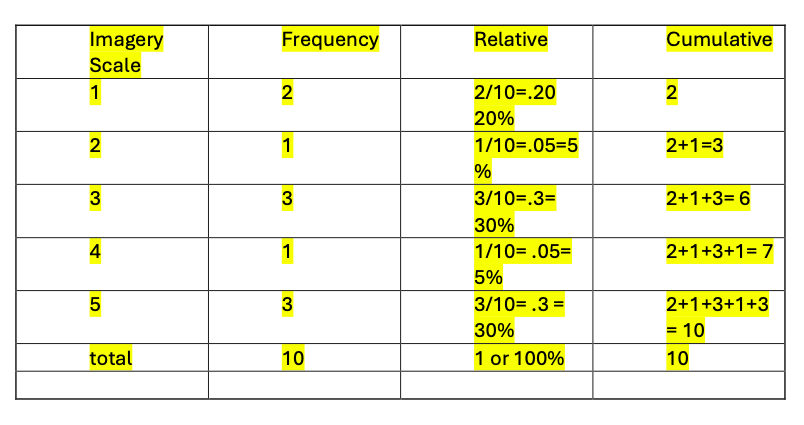
  |  |
Introduction:
Gökşin, Ş. Ö., Kirandi, Ö., Keskin, B., & Arslan Kabasakal, S. (2025). A cross-sectional study exploring motor control test scores, agility through stationary jump parameters, and proprioceptive differences in athletic and non-athletic children, with attention to strategies for mitigating proprioception loss. Turkiye Klinikleri Journal of Sports Sciences, 17(1), 9–18. https://doi.org/10.5336/sportsci.2024-103339. Khurtenko et al. (2023) found that "11% of respondents, which indicates a lack of ability to focus and build a clear plan of action in one’s head, and then systematically and consistently implement it in practice" (p. 378).
Lit. Review:
Gökşin, Ş. Ö., Kirandi, Ö., Keskin, B., & Arslan Kabasakal, S. (2025). A cross-sectional analysis examining gross motor development and proprioceptive deficits in athletic versus non- athletic children, highlighting early motor skill competence and its potential links to physical activity and cognitive function. This research may suggest that even incorporating imagery and visualization development at an early age could have tremendous effects on skill accuracy and proficiency later in life.Turkiye Klinikleri Journal of Sports Sciences, 17(1), 9–18. https://doi.org/10.5336/sportsci.2024-103339. Gökşin, Kirandi, Keskin, and Arslan Kabasakal (2025) found that proprioceptive deficits were linked to reduced balance, coordination, and ball skills, suggesting that diverse exercise approaches could help mitigate these effects. Foo, Leong, Mok, Kueh, Kumar, and Kuan (2025) examined the effects of mental imagery and music on sprint swimming performance. Foo et al. (2025) found that incorporating video modeling and mental imagery enhanced kinesthetic awareness and performance consistency, particularly by reducing the impact of fluctuating pre-training levels in sprint swimming. The use of video and kinesthetic cues has been shown to stabilize performance outcomes despite variations in pre- training readiness (Foo et al., 2025). Foo et al. (2025) reported that viewing performance-related videos influenced cortisol and testosterone levels, contributing to improved physiological stress resilience in rugby players. Competitive performance depends on emotional and volitional stability, as well as an individual’s ability to self-regulate behavior and maintain mental resilience despite distractions or “noise.” This stability-noise immunity supports consistent athletic execution under pressure (Khurtenko et al., 2023)
Anxiety and heightened aggression can negatively impact athletes by narrowing their field of consciousness, which in turn reduces psychological control and awareness of performance outcomes in specific situations (Khurtenko et al., 2023). Positive stimuli such as music, videos, and photos can enhance neurohumoral activity, which helps to mobilize sensory neurons. According to past literature, magnetic resonance imaging (MRI) studies show that these neurons can be selectively trained to improve precise situational skill activation and physical responses (Khurtenko et al., 2023). Previous literature reviews suggest that sensory neurons can be mobilized and selectively trained—often studied through magnetic resonance imaging techniques—to enhance precise situational skill activation and physical responses. However, athletes frequently exhibit a lack of awareness regarding the root causes of their performance failures (Khurtenko et al., 2023).
Methods:
In Winter, Freeman, Griffin, Soundy & Maynard’s 2024 study, the authors drew conclusions from professionals working in psychology who already collected their initial data by previous experiences those professionals had working in the field (2024). This information was helpful in drawing conclusions for how collecting a sample method of data would either be viable or not concurrent to further research on this topic. For example, in their 2024 study, it provides information on why evidence informed decision making can impact training and rehabilitation from injury (Winter, et. Al., 2024).
Results: Video exposure was linked to changes in hormonal levels and improved stress adaptation in athletes; Foo et al., 2025. Foo et al. (2025) noted that mental rehearsal activates brain regions similar to those used during actual performance, aiding athletes in overcoming both performance-related challenges and personal obstacles. However, overly narrow visualization |
can negatively impact performance, and the lack of standardization in the type and method of mental imagery remains a methodological limitation. Mental rehearsal engages brain activation patterns akin to physical performance and may help athletes address personal and competitive |
challenges, though inconsistent visualization methods can lead to variable outcomes; Foo et al., 2025.



Comments